Litter Clearance in Rubbish Clearance: Ensuring a Cleaner Environment
Understanding Litter Clearance
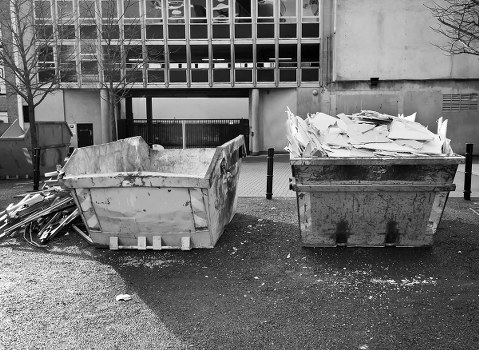
In today’s world, maintaining a clean environment is more crucial than ever. Litter clearance plays a significant role in rubbish clearance services, contributing to the overall health and aesthetics of our surroundings. Whether it's urban streets, public parks, or private properties, effective litter clearance ensures that spaces remain safe and visually appealing.
Litter, defined as small pieces of waste left in public places, can have detrimental effects on both the environment and public health. From unsightly streets to potential hazards for wildlife, the implications of improper waste management are far-reaching. This is where professional rubbish clearance services specializing in litter clearance come into play.
Engaging in systematic litter clearance not only enhances the visual appeal of an area but also fosters a sense of community pride and responsibility. By addressing litter issues proactively, communities can prevent larger environmental problems and promote sustainable living practices.
The Importance of Litter Clearance
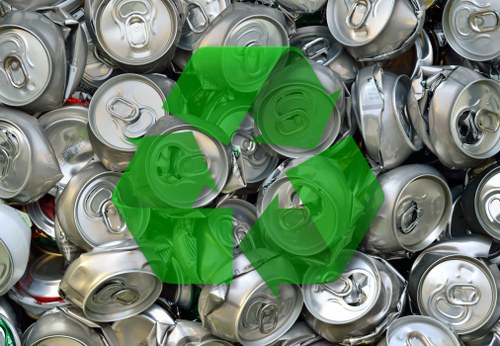
Litter clearance is essential for several reasons. Firstly, it helps in maintaining public health by removing potential sources of disease. Accumulated waste can attract pests and create breeding grounds for bacteria and viruses. Regular rubbish clearance ensures that waste does not become a health hazard.
Secondly, litter can significantly impact the environment. Improperly disposed of waste can lead to soil and water contamination, harming ecosystems and wildlife. Effective rubbish clearance minimizes these risks by ensuring that waste is managed responsibly and sustainably.
Moreover, clean environments enhance the quality of life for residents and visitors alike. Parks, streets, and recreational areas free from litter are more inviting and encourage social interactions and outdoor activities. This, in turn, can boost local economies by attracting tourists and businesses.
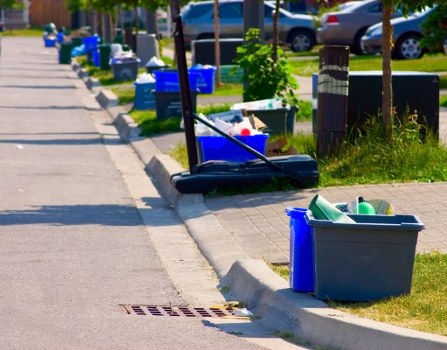
Environmental Impact of Litter
The environmental consequences of litter are profound. When waste is not properly managed, it can take years to decompose, leading to long-term pollution. Plastics, for instance, can persist in the environment for centuries, breaking down into microplastics that are harmful to marine life and other wildlife.
Litter also contributes to greenhouse gas emissions. As organic waste decomposes, it releases methane, a potent greenhouse gas that exacerbates climate change. By ensuring timely and efficient rubbish clearance, we can mitigate these environmental impacts and work towards a more sustainable future.
Preventing Wildlife Hazards
Wildlife often mistake litter for food or nesting materials, leading to ingestion of harmful substances or entanglement in waste products. This can result in injury, illness, or even death for various species. Effective litter clearance reduces these risks, protecting biodiversity and maintaining healthy ecosystems.
Promoting Recycling and Waste Reduction
Professional rubbish clearance services often include recycling and waste reduction initiatives. By sorting and processing waste appropriately, they ensure that recyclable materials are reused, reducing the overall volume of waste that ends up in landfills. This not only conserves natural resources but also lowers the environmental footprint of waste management processes.
Methods of Litter Clearance
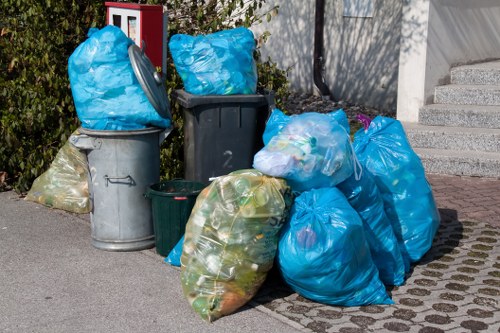
There are various methods employed in litter clearance to ensure efficient and effective waste management. These methods range from manual collection to the use of advanced machinery, each suited to different environments and scales of operation.
Manual collection involves workers physically collecting litter using tools like gloves, bags, and rakes. This method is often used in smaller areas such as parks, beaches, and urban streets where precision and care are required to avoid damaging the landscape.
In contrast, mechanical methods utilize equipment like street sweepers, vacuum trucks, and compactors to gather and transport large volumes of waste. These machines are ideal for highways, industrial areas, and large public spaces where the volume of litter is substantial and continuous.
- Manual Litter Collection: Ideal for sensitive areas and precise waste removal.
- Mechanical Collection: Efficient for large-scale operations and high-traffic areas.
- Automated Systems: Utilize technology for real-time monitoring and waste management.
Innovative Technologies in Litter Clearance
Advancements in technology have revolutionized the way we approach litter clearance. Automated systems equipped with sensors and AI can detect and collect litter with minimal human intervention. These systems not only increase efficiency but also reduce the labor costs associated with traditional rubbish clearance methods.
Additionally, data analytics play a crucial role in optimizing waste management strategies. By analyzing patterns in litter accumulation, services can deploy resources more effectively, ensuring timely and targeted rubbish clearance operations.
Sustainable Practices in Litter Clearance
Adopting sustainable practices is essential for modern rubbish clearance services. This includes using eco-friendly materials, reducing waste through recycling, and minimizing the carbon footprint of waste management activities. Sustainable litter clearance not only benefits the environment but also enhances the reputation of service providers committed to green initiatives.
Community Involvement and Education
Engaging the community in litter clearance efforts is vital for long-term success. Educational programs that raise awareness about the importance of proper waste disposal and the impact of litter can inspire individuals to take responsibility for their surroundings. Community clean-up events and volunteer programs also foster a sense of ownership and pride in maintaining clean environments.
Benefits of Professional Litter Clearance Services
Hiring professional rubbish clearance services offers numerous benefits. These services bring expertise, efficiency, and reliability to the task of litter clearance, ensuring that waste is managed effectively and responsibly.
One of the primary advantages is the elimination of health hazards associated with accumulated waste. Professionals are trained to handle various types of litter, including hazardous materials, ensuring safe and compliant waste disposal.
Furthermore, professional services can customize their approach based on the specific needs of an area. Whether it’s regular maintenance, one-time clean-ups, or specialized waste management solutions, these services provide tailored strategies that address the unique challenges of each environment.
Choosing the Right Rubbish Clearance Service
When selecting a rubbish clearance service for litter clearance, it’s important to consider several factors to ensure you’re choosing a reliable and effective provider.
Firstly, assess the company’s experience and expertise in litter clearance. A seasoned service provider will have the necessary tools, knowledge, and practices in place to handle various waste management scenarios efficiently.
Secondly, evaluate the range of services offered. Comprehensive rubbish clearance services should include waste collection, sorting, recycling, and disposal. Additionally, they should be capable of handling both residential and commercial waste needs.
- Experience and Expertise: Look for companies with a proven track record in effective litter clearance.
- Service Range: Ensure they offer a complete suite of rubbish clearance services.
- Environmental Responsibility: Choose companies committed to sustainable waste management practices.
Evaluating Service Quality
Service quality is a critical factor in selecting a rubbish clearance provider. High-quality services are characterized by promptness, reliability, and attention to detail. Reading reviews, seeking recommendations, and checking certifications can help gauge the quality of a service provider.
Additionally, transparent pricing and clear communication are indicators of a reputable company. Avoid services that have hidden fees or lack clarity in their offerings, as these can lead to unexpected costs and dissatisfaction.
Customer Support and Responsiveness
Effective customer support is essential for addressing any concerns or issues that may arise during the litter clearance process. Choose a rubbish clearance service that is responsive, accessible, and willing to accommodate your specific needs and preferences.
Flexibility and Customization
Every environment has unique waste management requirements. A good rubbish clearance service should offer flexible solutions that can be tailored to meet the specific demands of your area. Whether it’s scheduling regular pickups, handling emergency clean-ups, or managing specialized waste, customization ensures that your litter clearance needs are fully met.
Implementing Effective Litter Clearance Strategies
Implementing effective litter clearance strategies involves a combination of planning, execution, and continuous improvement. Here are key steps to ensure successful rubbish clearance operations.
Assessment and Planning: Begin by assessing the litter accumulation in the target area. Identify hotspots and determine the frequency and methods needed for effective clearance. Planning should also consider the types of waste commonly encountered and the best approaches to manage them.
Resource Allocation: Allocate the necessary resources, including manpower, equipment, and materials, to support the litter clearance efforts. Ensuring that you have the right tools and trained personnel is crucial for efficient waste management.
Implementation and Monitoring
Once the plan is in place, proceed with the implementation phase. Regularly monitor the effectiveness of the litter clearance activities to ensure that they are meeting the desired outcomes. Use data and feedback to make informed adjustments and improvements as needed.
Continuous monitoring helps in identifying any emerging issues and allows for timely interventions. It also provides insights into the success of different strategies, enabling you to optimize your waste management practices over time.
Technology Integration
Integrating technology into your litter clearance strategies can enhance efficiency and effectiveness. Tools such as GPS tracking, data analytics, and automated reporting systems can streamline operations and provide valuable insights into waste management patterns.
Community Engagement
Engaging the community is a pivotal aspect of successful litter clearance. Encourage local participation through awareness campaigns, volunteer programs, and incentives for proper waste disposal. A collaborative approach ensures sustained efforts and fosters a culture of cleanliness and responsibility.
Challenges in Litter Clearance and How to Overcome Them
Despite the importance of litter clearance, several challenges can impede effective rubbish clearance operations. Understanding these obstacles and devising strategies to overcome them is essential for maintaining clean environments.
Volume of Waste: High volumes of litter can overwhelm standard clearance methods. Implementing scalable solutions, such as utilizing larger equipment or increasing the frequency of clean-ups, can help manage large-scale waste accumulation.
Accessibility Issues: Certain areas may be difficult to access, making litter clearance challenging. Specialized equipment and trained personnel can navigate these obstacles, ensuring comprehensive waste management across all regions.
- Resource Limitations: Limited budgets and manpower can restrict the scope of litter clearance efforts. Prioritizing areas with the highest need and seeking community support can help mitigate these limitations.
- Environmental Conditions: Weather and other environmental factors can impact the efficiency of litter clearance. Developing contingency plans and using weather-resistant equipment can enhance resilience against such challenges.
Implementing Sustainable Solutions
Adopting sustainable solutions is key to overcoming long-term challenges in rubbish clearance. This includes promoting recycling, reducing waste generation, and using eco-friendly materials. Sustainable practices not only address current litter issues but also prevent future waste accumulation.
Collaborating with local authorities and organizations can also provide additional resources and support for tackling litter effectively. Building partnerships fosters a unified approach to waste management and enhances the overall impact of litter clearance initiatives.
Training and Development
Continuous training and development of staff are vital for maintaining high standards in litter clearance operations. Ensuring that personnel are knowledgeable about the latest waste management techniques and safety protocols enhances the effectiveness and safety of rubbish clearance activities.
Adapting to Changing Needs
Waste management is a dynamic field that requires adaptability to evolving challenges and changing community needs. Staying informed about new technologies, regulations, and best practices ensures that litter clearance services remain effective and compliant.
The Future of Litter Clearance in Rubbish Clearance
The future of litter clearance lies in innovation, sustainability, and community collaboration. As environmental concerns continue to rise, the demand for effective rubbish clearance solutions will only increase.
Technological advancements will play a significant role in shaping the future of waste management. Innovations such as autonomous cleaning robots, smart sensors for real-time waste detection, and advanced recycling technologies will enhance the efficiency and effectiveness of litter clearance operations.
Moreover, a growing emphasis on sustainability will drive the adoption of eco-friendly practices in rubbish clearance. Companies will increasingly focus on reducing their environmental footprint through responsible waste management, recycling initiatives, and the use of renewable energy sources in their operations.
Policy and Regulation
Government policies and regulations will continue to influence the landscape of litter clearance. Stricter waste management laws, incentives for recycling, and penalties for littering will encourage both service providers and the public to prioritize cleanliness and sustainability.
Collaborative efforts between governments, businesses, and communities will be essential in advancing effective rubbish clearance strategies. Unified policies and shared goals can lead to more comprehensive and impactful waste management solutions.
Community Empowerment
Empowering communities to take ownership of their environment is crucial for the long-term success of litter clearance initiatives. Providing education, resources, and support can inspire individuals to adopt responsible waste disposal habits and actively participate in maintaining clean spaces.
Global Perspectives
Global trends in waste management will also influence local litter clearance practices. Learning from international best practices, embracing global sustainability goals, and participating in worldwide environmental movements can enhance the effectiveness of rubbish clearance efforts at the local level.
Conclusion: Embracing Litter Clearance for a Sustainable Future
Effective litter clearance is a cornerstone of successful rubbish clearance operations, contributing to cleaner environments, healthier communities, and a more sustainable future. By understanding the importance of litter clearance, implementing innovative strategies, and fostering community involvement, we can tackle waste management challenges head-on.
Professional rubbish clearance services play a pivotal role in this endeavor, offering expertise, efficiency, and comprehensive solutions tailored to diverse environments. As we look to the future, embracing technology, sustainability, and collaborative efforts will be essential in advancing litter clearance initiatives and ensuring a cleaner, greener world for generations to come.
Don’t wait to make a difference. Contact us today to learn how our expert rubbish clearance services can help maintain a pristine environment in your area.