Health and Safety Policy for Rubbish Clearance London Services
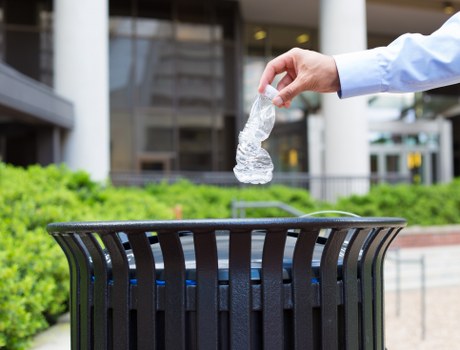 This Health and Safety Policy sets out the principles and expectations for everyone involved in Rubbish Clearance London operations. It outlines how we manage risk, ensure safe working practices and protect the wellbeing of staff, contractors, clients and the public when carrying out waste clearance and rubbish removal across urban environments. The policy emphasises prevention, continual improvement and adherence to safe systems of work rather than reproducing regulatory detail.
This policy applies to all tasks ranging from small-scale rubbish removal in London to larger waste clearance projects. It confirms that management is accountable for providing adequate resources and competent supervision, while employees and sub-contractors are responsible for following safe procedures, wearing specified personal protective equipment and reporting hazards. Everyone has the right to stop unsafe work and ask for reassessment without fear of reprisal.
 Scope and responsibilities: the policy covers site assessments, manual handling, vehicle loading and unloading, segregation of materials, handling of potentially hazardous items, interaction with the public, and environmental protection during waste collection and disposal activities. Key roles include designated safety leads, vehicle operators, crew members and support staff. Responsibilities include completing pre-shift checks, documenting risk controls and maintaining training records.
Risk assessment, planning and safe systems
Before any clearance activity begins the team must conduct a dynamic risk assessment that identifies foreseeable hazards, evaluates the level of risk and implements proportionate controls. Controls may include safe lifting techniques, use of mechanical aids, temporary cordons, signage, traffic management measures and selection of appropriate waste containers. The assessment should be reviewed when conditions change or when new information becomes available.
Training and competence
All operatives engaged in waste clearance London work must receive induction training that covers the hazards common to clearance tasks, correct use of PPE, manual handling principles and emergency procedures. Ongoing competence is maintained through toolbox talks, refresher training and monitored performance. Records of training and qualification checks must be kept and updated.Common hazards to consider include:
- Sharp objects and contaminated waste
- Manual handling and musculoskeletal strain
- Vehicle movements and traffic interaction
- Hazardous materials such as chemicals, batteries and asbestos suspect items
- Slip, trip and fall risks on uneven or cluttered sites
PPE and equipment: appropriate personal protective equipment must be specified based on risk assessment and made available to staff. Typical PPE includes high-visibility clothing, gloves rated for the task, protective footwear, eye protection and respiratory protection where dust or fumes are present. Equipment should be inspected before use and taken out of service if defective.
Safe vehicle and site operations are central to responsible rubbish clearance services. Vehicles must be maintained, secured and loaded to avoid shifting loads. Drivers and loaders will follow safe access and egress procedures, use parking controls to protect the public and implement traffic management where needed. Load manifests and waste transfer documentation should be completed accurately to ensure traceability.
Handling hazardous materials: suspect hazardous items must be isolated and handled only by trained personnel or specialist contractors. Chemical containers, batteries, solvents and asbestos-like materials are examples that require specific controls. When uncertain, assume higher risk and seek specialist advice. Items that cannot be safely transported with routine clearance should be segregated and scheduled for authorised disposal.
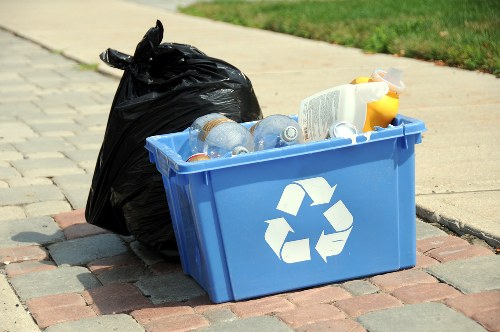
Environmental protection is integrated into operational planning. Measures include segregation of recyclable materials, preventing contamination of drains and soil, controlling dust and preventing fly-tipping following clearance activities. Waste segregation practices reduce disposal costs and environmental impact while promoting reuse and recycling where feasible.
 Emergency procedures and incident reporting: clear procedures must exist for first aid, vehicle collisions, accidental hazardous releases and fire. All operatives must know how to summon assistance, secure the scene and preserve evidence for investigation. Incidents, near misses and unsafe conditions must be reported promptly and investigated to identify root causes and implement corrective actions.
Monitoring, communication and continuous improvement
Performance is monitored through routine inspections, audits and review of incident trends. Communication channels include pre-shift briefings, safety notices and documented procedures. Lessons learned from incidents and audits feed back into training, risk assessments and operational changes to reduce recurrence.Policy review and commitment
Management will review this policy at regular intervals and following any significant incident, change in operations or introduction of new equipment or methods. The aim is to ensure continued suitability, effectiveness and alignment with best practices for rubbish disposal and waste management in urban clearance work. Rubbish clearance operations are expected to adopt these standards and to co-operate fully in implementation.In summary, this policy promotes a culture where safety, environmental stewardship and operational efficiency are priorities. By following the outlined controls — including competent staffing, robust risk assessment, proper PPE use, safe vehicle practices and documented emergency measures — teams deliver reliable rubbish removal services while minimising harm to people and the environment.
All personnel engaged in London rubbish clearance activities are required to familiarise themselves with this policy, apply the stated controls in daily operations and contribute to a safe working environment through active participation in safety processes.